

On 25 July, the House of Lords Communications and Digital Committee published its report on media literacy. MILA greatly welcomes this important piece of work, the result of an inquiry launched by the Committee in March. The report is comprehensive and forthright – rightly so. The Committee received written submissions from 71 organisations and individuals across multiple sectors, including MILA, and took oral evidence from 28 expert witnesses, including three MILA trustees. We are pleased that MILA is cited abundantly throughout the report, and our views reflect many of the concerns and aspirations set out by other stakeholders. A short video clip from Baroness Keeley, Chair of the Committee, helps to put things in perspective.
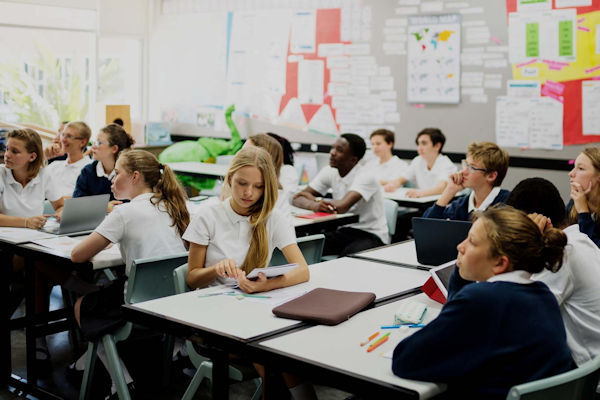
The recommendations are in synch with MILA’s campaign for media literacy to be embedded in the school curriculum from an early age, along with corresponding measures to support teacher training/professional development as well as evaluation through the schools inspection regime. The ongoing Curriculum and Assessment Review for schools in England provides a timely opportunity to do this as a first priority. The report’s warning that the UK is losing ground in equipping its citizens with essential media literacy skills reflects our own observations on the current fragmented state of the UK’s media literacy environment. The report underscores the view from MILA and others that that current provision in schools is patchy at best and a postcode lottery, often limited to one-off lessons or assemblies.
At a conceptual level, the report calls for a broader definition of media literacy that explicitly incorporates critical thinking and analysis. This underlines our view about the need to move beyond a narrow focus on online harms. We and others have long advocated for a broader understanding of media and information literacy, defining it as the ability to engage with media safely and healthily, critically and actively, with positive values. We see media literacy (and, more broadly, media and information literacy) not just as protection but also as empowering people and communities to make active, positive contributions to the information and communications environment. This perspective resonates with the Lords report, which also highlights the relationship between media literacy and civic and democratic resilience. Indeed, the report suggests starkly that “social cohesion is at risk and democracy itself is threatened by inadequate media literacy”. It goes on to state that media literacy enables individuals to be informed and responsible citizens.
Other key proposals from the report include:
- Filling the leadership vacuum: the report calls for the appointment of a specific senior minister to drive the delivery of media literacy efforts across government departments. It rightly complains that “Government [has] failed to meet the mounting scale of the challenge. Past initiatives have been scattered across departments, with limited join-up and no long-term strategic vision” with a scattergun approach to funding only small-scale media literacy projects and an expectation that the third sector will somehow pick up the pieces. This aligns with MILA’s argument that a lack of strategic leadership has contributed to the fragmented nature of the current media literacy landscape. The report acknowledges that while Ofcom’s work is valuable, a centralized, government-led approach is necessary for true progress.
- A levy on technology companies: the report rejects an approach to long-term media literacy funding that relies on the goodwill of technology companies, and we therefore welcome its proposal to impose a levy on them to provide long-term, sustainable funding to independent media literacy efforts is a significant step toward ensuring a stable funding environment. This directly addresses MILA’s concern that without such investment, UK media literacy practice will not be able to move from potential to manifestly positive change.
- Harnessing trusted community spaces: both the report and MILA’s submission recognize the crucial role of libraries and other public services in providing media literacy support. MILA specifically notes that librarians, as trusted curators of information, are essential to embedding MIL within communities.
The Lords Communications and Digital Committee has produced a thorough, evidence-backed piece of work, offering a clear and ambitious roadmap for the future of media literacy in the UK. By addressing the systemic issues of curriculum integration, funding, and leadership, the recommendations provide a strong foundation for building a more resilient, engaged, and critical citizenry in a rapidly evolving information environment. It now remains to be seen how the Government will respond, particularly in the context of straightened public finances. And at the same time, we await the conclusions of the Curriculum and Assessment Review, and the Government’s implementation of that too.